By Nikolaos Noulas, President of the PYTHEIA Competence Center
The next step for our buildings is to better understand what the people inside them need. Through SafePath, PYTHEIA connects neuroarchitecture, artificial intelligence and assistive technologies with a specific goal: spaces that support mental health, safety and autonomy.
A building can control temperature, adjust lighting and monitor energy consumption. But can it support, just as effectively, someone who struggles to find their way, needs a calm environment or depends on a caregiver every day?
This question guides our work at the PYTHEIA Competence Center in Larissa, Greece. Technology continually expands what buildings can do. That is why we need to establish a clear purpose: every architectural choice, sensor and automation system should serve a real human need.
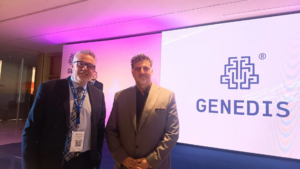
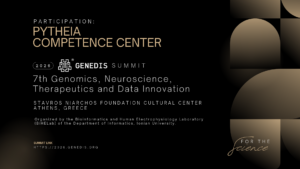
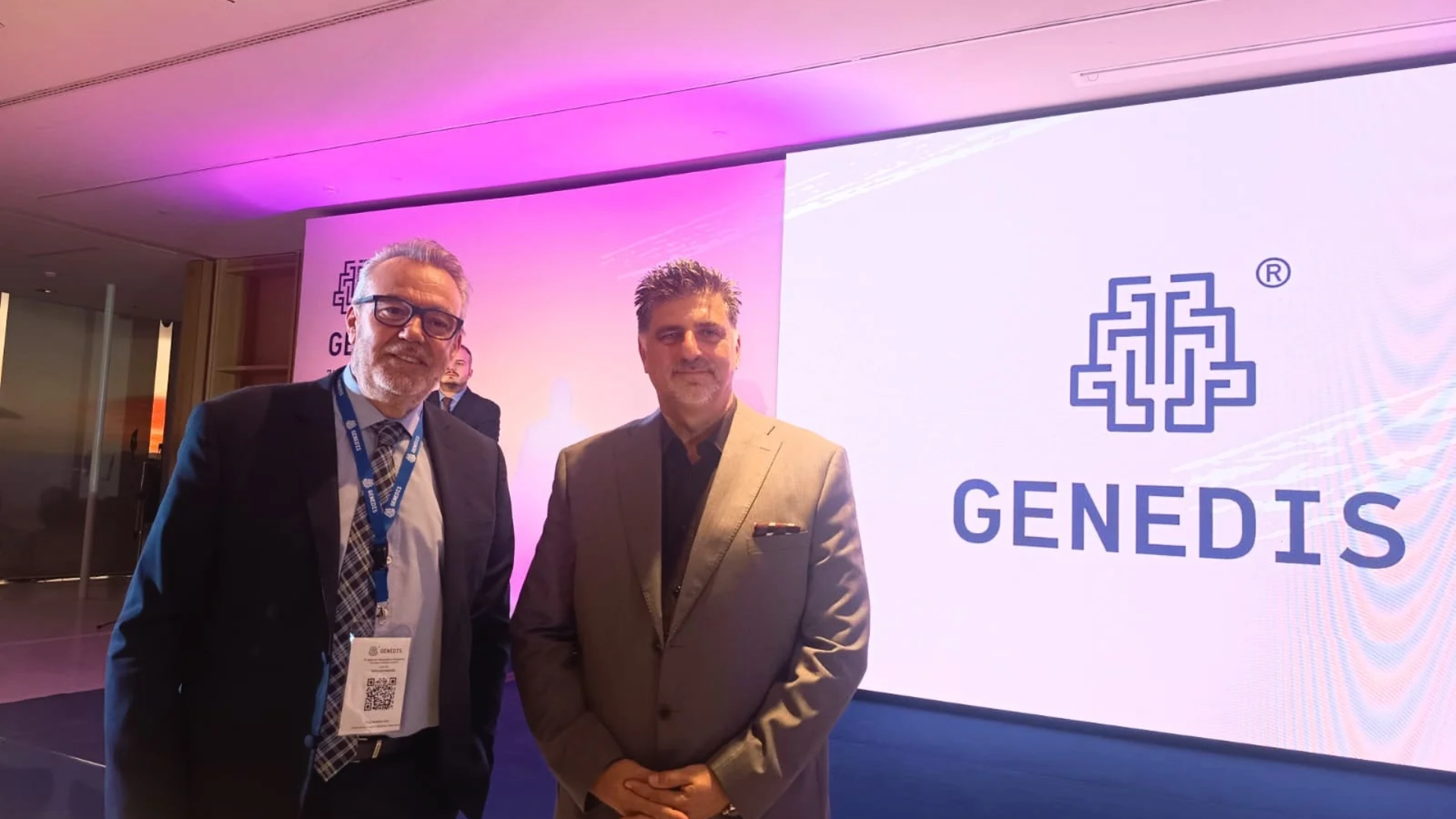
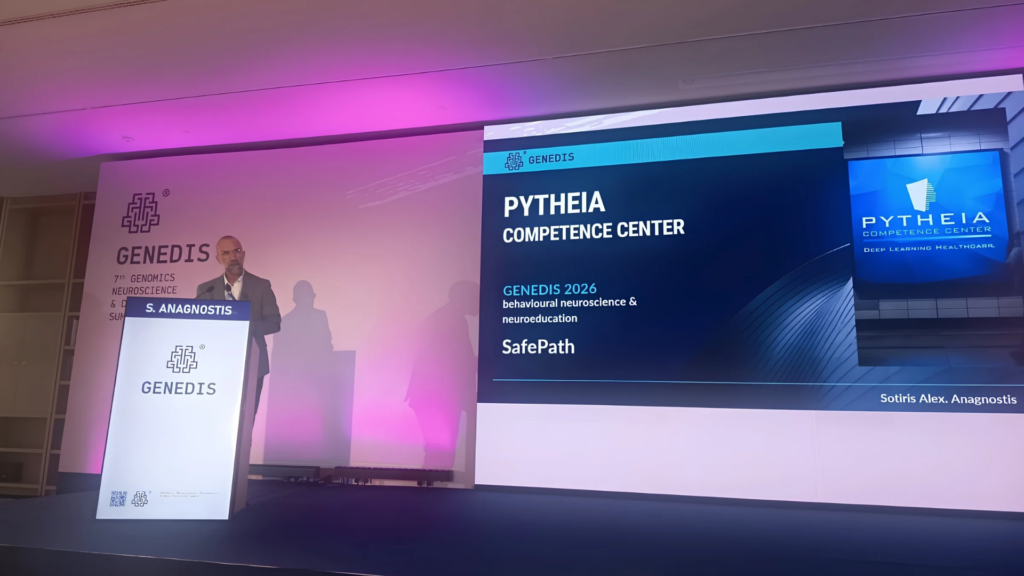
Following the presentation of SafePath at GeNeDis 2026 by PYTHEIA’s Director, Sotiris Anagnostis, I would like to share the potential of this initiative. It concerns those who design buildings, those who provide care and those who decide where to direct future investment.
Neuroarchitecture with Mental Health at Its Core
Safety, accessibility and structural integrity provide essential foundations. However, the everyday experience of a space involves more: how much effort movement requires, how many stimuli coexist and whether users can choose privacy or social interaction.
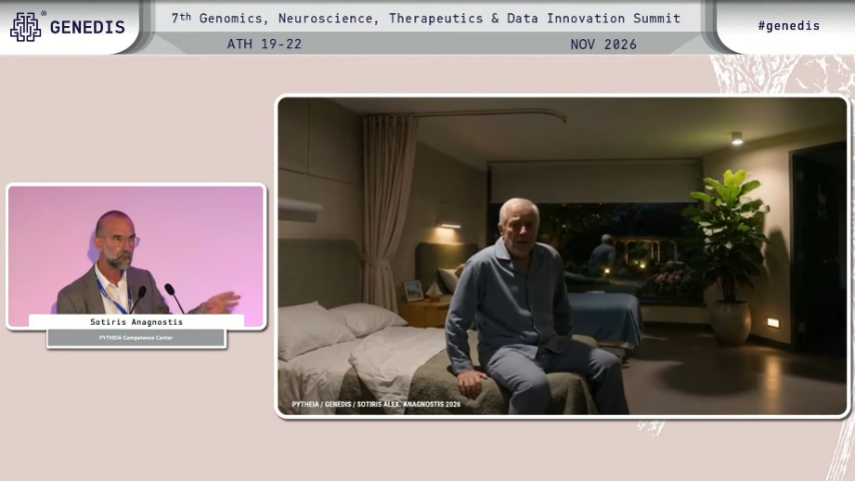
In mental health facilities, these questions carry particular significance. Similarly, in the homes of people with cognitive difficulties, the layout and operation of the space affect both the individuals themselves and their caregivers.
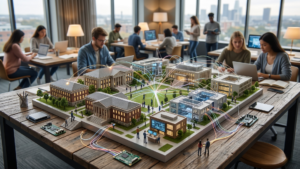
SafePath is a neuroarchitecture operating system that supports building analysis and the development of proposed interventions. Our team uses 27 neuroarchitectural principles and 229 evaluation criteria, examining the relationship between space, use and the individual. As a result, each proposal has a specific intended beneficiary, rationale and scope of application.
Technology That Serves Specific Needs
Adaptive lighting, air quality monitoring, assistance call systems and wayfinding technologies offer different capabilities. Their value, however, depends on how they fit into everyday life.
For example, a lighting automation system requires assessment for glare, abrupt changes and the user’s ability to intervene. Likewise, an alert needs a clearly identified recipient and an actionable response so that it supports care without creating unnecessary burdens.
Our goal is for technology to support calm, autonomy and safety while respecting privacy and user control. We therefore evaluate architectural and technological choices together.
AI Expands the Analysis; Collaboration Provides Direction
An intervention may help on its own but create difficulties in combination with others. Additional signage, stronger contrasts and information screens, for example, require a combined assessment of the stimuli they introduce.
This is where we use artificial intelligence. AI agents connect project information with structured knowledge sources and support the development of combined intervention proposals.
Architects and engineers then examine spatial relevance and technical implementation, while the university scientific team reviews the evidence and limitations.
This Human-in-the-Loop process also strengthens interdisciplinary learning: each professional gains a better understanding of the needs and criteria of the other disciplines.
From Better Design to Care in the Community
For architects and engineers, SafePath provides additional evidence to inform their decisions. For healthcare facilities, it organises the understanding of needs and priorities. Likewise, for the public sector, it creates an opportunity to connect building interventions with specific care and operational objectives.
The same potential extends to the home. Alongside health and social support services, appropriate home adaptations can support people in remaining in their communities. That is why we examine the contribution of neuroarchitecture to independent living and deinstitutionalisation, evaluating outcomes in each application.
At the same time, early identification of design conflicts can help reduce misdirected investment and subsequent corrective work. Financial benefits require evidence for each project, alongside its operational and maintenance requirements.
Greek Research with an International Outlook
At PYTHEIA, we develop AI applications for the healthcare sector, connecting our in-house expertise with university research and professionals’ needs. SafePath embodies this mission through a specific application that we are already advancing through building analyses.
We aspire to contribute to the development of specifications for buildings with an evidence-based therapeutic and supportive role. To move forward, we need partnerships that connect research, design, technology and care.
Our invitation extends to universities, architects, engineers, healthcare organisations, businesses and public bodies. We have the opportunity to expect more from our buildings.
Let us start with what matters most: how they can make life easier for the people inside them.